






When the temperature drops, your wardrobe needs to step up. From chilly mornings in Africa to freezing winters in the USA and Europe, knowing how to dress for cold weather can keep you warm, comfortable, and ready for the day.
As weather patterns continue to change across different regions, having the right winter clothing is becoming increasingly important. Whether you are preparing for a cold season at home or planning to travel abroad, smart dressing starts with understanding the conditions you will face.
Why Dressing Properly for the Cold Matters
Cold weather is more than an inconvenience. Low temperatures, strong winds, rain, and snow can make outdoor activities uncomfortable and, in extreme conditions, potentially dangerous.
The good news is that staying warm does not always mean wearing the thickest clothes you can find. The secret is choosing the right clothing and wearing it in layers.
The Power of Layering
Start With a Base Layer
Your first layer should be comfortable and preferably moisture-wicking. Thermal tops, long-sleeved shirts, and other close-fitting clothing can provide an excellent foundation.
A good base layer helps retain warmth while keeping sweat away from your skin, particularly if you are active outdoors.
Add a Warm Middle Layer
The middle layer provides insulation. Sweaters, fleece jackets, hoodies, and other warm garments can help trap body heat.
You can add or remove this layer depending on how the temperature changes throughout the day.
Finish With an Outer Layer
Your outer layer should protect you from the elements. Depending on the destination, this could be a winter coat, padded jacket, windbreaker, or waterproof jacket.
For extremely cold destinations in the USA and Europe, consider clothing designed specifically for freezing temperatures, snow, and strong winds.
Don’t Forget Your Head, Hands and Feet
One common mistake during cold weather is focusing only on the body while leaving the extremities exposed.
Essential Cold-Weather Accessories
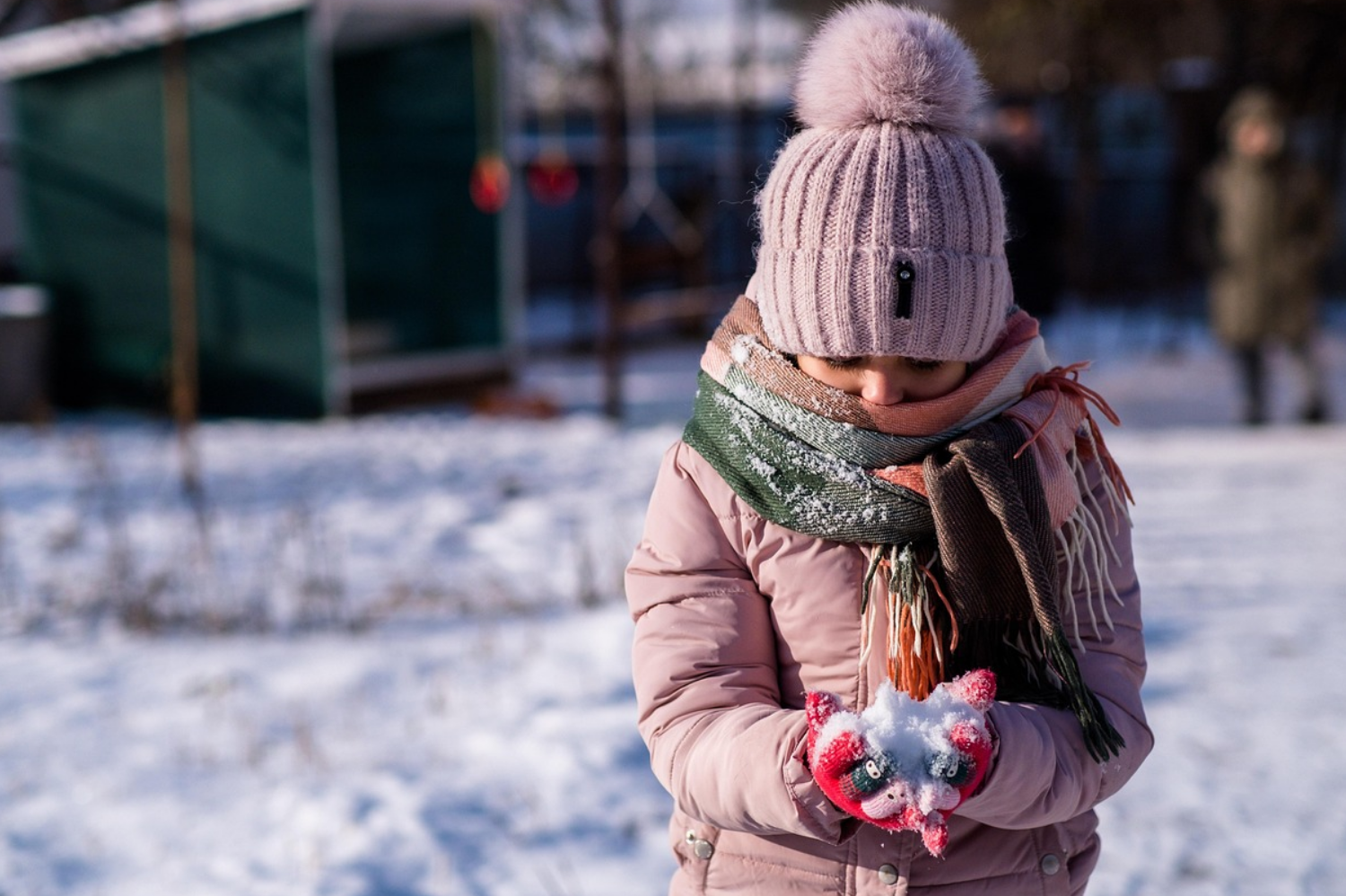
- Warm hat or beanie
- Gloves or insulated mittens
- Thick or thermal socks
- Scarf
- Waterproof or insulated shoes
- Warm boots for snowy conditions
These simple accessories can make a significant difference when temperatures fall.
Cold Weather in Africa vs USA and Europe
Cold weather can mean very different things depending on where you are.
Africa
Many parts of Africa experience cool or chilly seasons rather than the extreme winter conditions found in northern countries. A sweater, warm jacket, long trousers, and closed shoes may be sufficient in many locations.
However, high-altitude areas can become considerably colder, particularly at night and during early mornings.
USA
Winter conditions across the USA vary dramatically. Some regions experience mild winters, while northern states can face freezing temperatures, heavy snowfall, icy roads, and powerful winds.
If you are traveling to a colder part of the USA, pack thermal clothing, an insulated coat, gloves, warm socks, and suitable winter footwear.
Europe
Many European destinations experience significant winter conditions. Travelers may encounter freezing temperatures, snow, rain, and cold winds depending on the country and season.
Before traveling, check the local weather forecast and prepare clothing based on the expected conditions.
Smart Winter Dressing Tips for Travelers
If you are traveling from Africa to a colder destination, don’t wait until you arrive to think about winter clothing.
Before You Travel
Check the forecast: Know the expected temperatures before packing.
Pack layers: Layers allow you to adjust easily as temperatures change.
Invest in proper footwear: Wet and cold feet can quickly make a trip uncomfortable.
Carry essential accessories: A hat, gloves, and scarf take up little space but provide valuable warmth.
Prepare for indoor heating: Buildings in colder countries can be heavily heated, so wearing removable layers is practical.
Fashion and Warmth Can Work Together
Staying warm does not mean abandoning your personal style. Modern winter clothing comes in many designs, colors, and fits, allowing you to combine comfort with fashion.
A well-chosen coat, stylish boots, a warm scarf, and coordinated layers can create an attractive winter outfit while still providing protection from the cold.
The Pesa Smart Takeaway
Cold weather is easier to handle when you are prepared. Whether you are experiencing a chilly season in Africa, facing winter in the USA, or exploring the colder parts of Europe, choosing appropriate clothing is one of the simplest ways to stay comfortable.
The smartest approach is to understand your destination, check the weather, dress in layers, and protect your head, hands, and feet.
Stay informed. Stay prepared. Stay warm — with Pesa Smart.